These are not hypotheticals. Civil servants face private-sector vehicle prices on public-sector wages, with no car allowances, limited salary-sacrifice access, and pensions calculated on career-average earnings. Every purchase decision affects monthly cash flow, long-term retirement income, and the ability to adapt when postings change.
This guide identifies the 10 most suitable cars for UK Civil Servants in 2026, selected on measurable criteria: reliability record, insurance group, real-world fuel economy, service cost, depreciation, and ownership risk.
Understanding Civil Service Car Buying Challenges
Civil Service pay bands impose strict financial limits. Administrative Officers earn £23,811, Executive Officers £27,470, and Higher Executive Officers £32,000–£38,000. With responsible budgeting placing vehicle spend at roughly 15–20% of take-home pay, affordable monthly payments typically fall between £250–£400. This immediately excludes many popular new cars once insurance, fuel, and servicing are added.
Salary sacrifice schemes add complexity. Unlike the NHS, most departments do not offer competitive vehicle programmes. Where schemes exist, they reduce pensionable pay. Because the Civil Service pension is based on career-average earnings, any sacrificed salary permanently lowers lifetime pension accrual. A £4,200 annual sacrifice over a long career materially reduces retirement income.
Relocation risk is structural. Office closures, regional hub moves, and departmental reorganisations routinely change commuting patterns. A car must be easy to sell without large depreciation, usable in both urban and regional environments, and cheap enough to avoid financial stress if circumstances change.
There is no car allowance. Mileage rates rarely cover true depreciation and running costs. Civil servants effectively fund business travel from their own assets. Insurance, parking, ULEZ, congestion charges, and rising servicing costs compound pressure.
A suitable Civil Service car must therefore be low-risk, predictable, and liquid: affordable to insure, cheap to run, resilient to ownership delays, and easy to exit without loss.
1. Toyota Corolla – The Civil Service Default
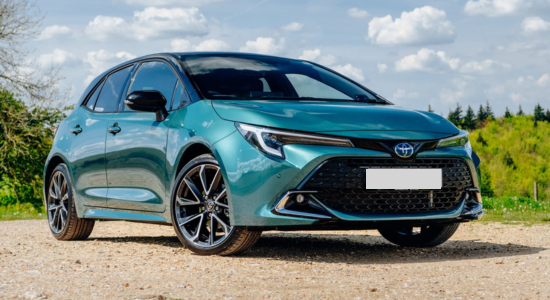
Why civil servants choose it: The Corolla is consistently selected by cost-conscious public-sector buyers because it eliminates financial volatility. Toyota's hybrid systems are among the most durable drivetrains in mass production, with minimal failure rates and no reliance on charging infrastructure. The result is predictable ownership on limited budgets.
Financial fundamentals: Real-world fuel consumption typically sits in the mid-50s mpg, materially reducing monthly expenditure for commuters. Insurance groups commonly fall in the low-to-mid teens, keeping annual premiums controlled. Toyota's extended warranty (up to 10 years with servicing) removes repair risk during typical ownership periods. Residual values remain strong due to demand in fleet and private markets.
Best suited to: All Civil Service grades prioritising cost certainty, high annual mileage users, anyone seeking lowest three-year total ownership cost.
2. SEAT Leon ; VW Engineering at Lower Cost
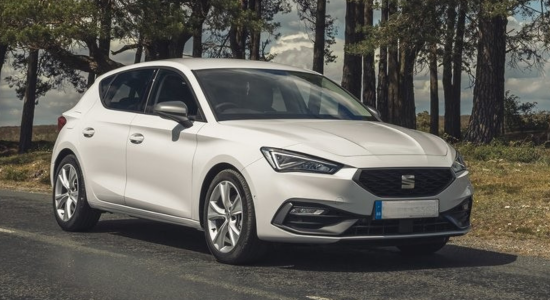
Why civil servants choose it: Sharing platforms with the Golf and Audi A3, the Leon provides identical mechanical reliability at lower purchase prices. This makes advanced safety systems and efficient powertrains accessible to EO and HEO budgets without compromising engineering quality.
Financial fundamentals: Insurance groups typically fall in mid-teens. Servicing remains cost-effective via VW-Group specialists nationwide. Depreciation stays controlled due to platform commonality and shared parts with premium brands. Real-world economy approaches 50 mpg with petrol engines.
Best suited to: Mid-grade civil servants seeking value, modern equipment and controlled running costs.
3. Honda Civic Hybrid – Reliability with Efficiency

Why civil servants choose it: Honda's hybrid powertrains deliver Toyota-level durability with a more engaging driving platform. The Civic Hybrid consistently returns mid-50s mpg in mixed driving while maintaining low servicing needs suitable for constrained public-sector budgets.
Financial fundamentals: Insurance groups typically fall in the mid-teens, keeping premiums manageable for EO and HEO grades. Honda's reputation for mechanical longevity supports strong resale values, limiting exit losses during job changes or relocations.
Best suited to: EOs and HEOs covering long commutes, staff seeking dependable efficiency without EV infrastructure, buyers prioritising balanced ownership cost.
4. Toyota Yaris – Minimum Cost Ownership
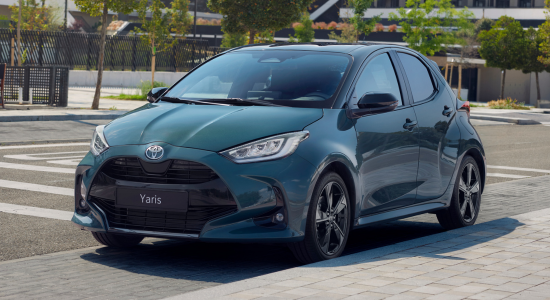
Why civil servants choose it: For junior grades, the Yaris offers the lowest total cost of ownership in mainstream motoring. Its hybrid drivetrain delivers exceptional fuel economy, commonly exceeding 60 mpg in urban use.
Financial fundamentals: Insurance groups typically sit in single digits to low teens, keeping premiums affordable for early-career civil servants. Servicing and parts costs are minimal, and long-term reliability reduces risk of unexpected expense. Toyota's 10-year warranty provides exceptional protection.
Best suited to: Administrative and Executive Officers prioritising absolute affordability, urban commuters, first-time car owners.
5. Mazda CX-30 – Premium Feel Without Premium Risk
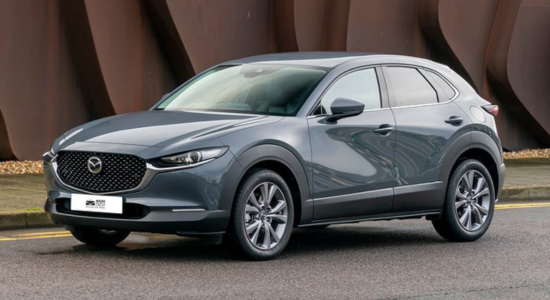
Why civil servants choose it: The CX-30 provides interior quality comparable to premium brands while maintaining mainstream ownership costs. Mazda's engineering record shows strong reliability, with moderate servicing costs and good parts availability across the UK.
Financial fundamentals: Real-world economy typically falls in the low-to-mid-40s mpg range. Insurance classifications remain moderate for HEO budgets. Residual values are stable, protecting against financial loss on resale when circumstances change.
Best suited to: HEOs and SEOs seeking comfort and build quality without premium running costs or depreciation exposure.
6. Volkswagen Golf – Predictable and Liquid
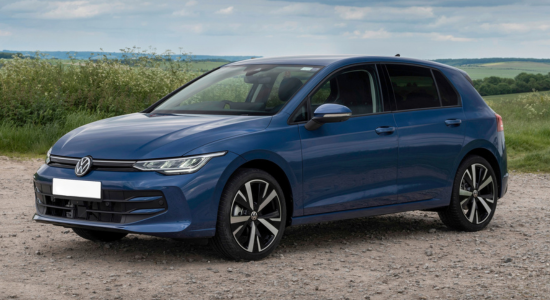
Why civil servants choose it: The Golf is one of the UK's most consistently demanded used vehicles. This liquidity ensures fast resale and stable depreciation—critical for civil servants facing sudden relocations with limited notice.
Financial fundamentals: Petrol variants regularly achieve around 50 mpg in mixed conditions, while diesel models exceed this on long motorway use. Insurance groups remain manageable for mid-grade salaries, and servicing infrastructure is universal across the UK.
Best suited to: Civil servants needing ownership flexibility, strong resale value and nationwide service coverage.
7. SEAT Arona – Affordable SUV Versatility
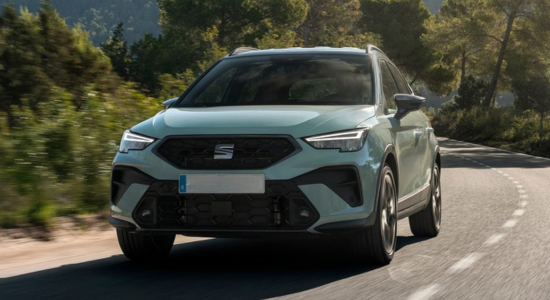
Why civil servants choose it: The Arona offers genuine SUV packaging without the inflated ownership costs of premium alternatives. Built on VW Group platforms, it delivers reliable engineering accessible to EO and HEO budgets.
Financial fundamentals: Real-world economy of 40–45 mpg in petrol form keeps running costs contained. Insurance groups remain reasonable in mid-teens. Maintenance costs mirror other VW-Group vehicles, ensuring predictable servicing nationwide.
Best suited to: AOs and EOs needing SUV versatility without accepting high depreciation or insurance penalties.
8. Toyota C-HR – Hybrid SUV with Controlled Risk
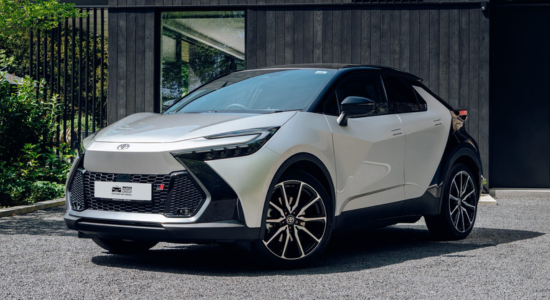
Why civil servants choose it: The C-HR provides SUV form with Toyota's proven hybrid reliability. Real-world economy consistently falls in the high-40s to mid-50s mpg, materially lowering fuel expenditure versus conventional petrol SUVs while maintaining budget discipline.
Financial fundamentals: Insurance groups are moderate for the SUV segment. Toyota's long-term durability record protects against unexpected mechanical expenses. Strong demand in used markets ensures stable residuals when relocations require vehicle changes.
Best suited to: Civil servants wanting compact SUV capability with hybrid efficiency and minimal ownership uncertainty.
9. Ford Puma – Mainstream, Efficient, Liquid
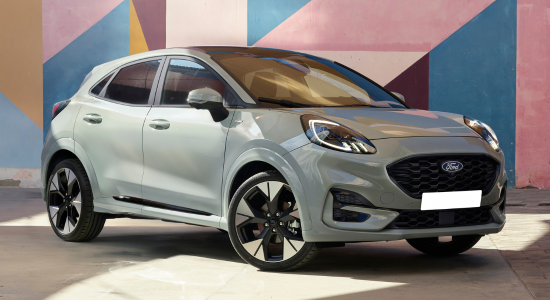
Why civil servants choose it: The Puma has become one of the UK's best-selling vehicles, ensuring strong resale liquidity crucial for civil servants facing unpredictable relocations. Mild-hybrid petrol engines deliver mid-40s to low-50s mpg in mixed driving conditions.
Financial fundamentals: Insurance groups typically range from low to mid-teens, accessible for AO and EO salaries. Servicing costs remain low through Ford's extensive UK network. High market demand protects residual value when employment circumstances change.
Best suited to: AOs, EOs and HEOs seeking modern design, controlled ownership cost and easy resale flexibility.
10. Nissan Qashqai – Proven Family Practicality
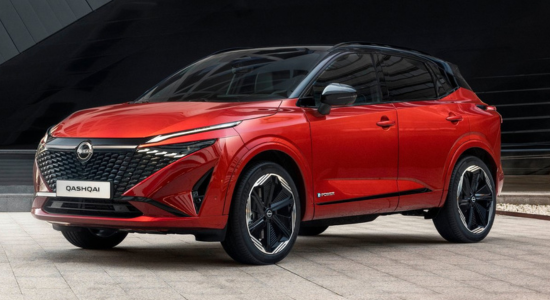
Why civil servants choose it: The Qashqai maintains position as the UK's leading family SUV through practical design and proven reliability. Built in Sunderland, extensive dealer networks provide accessible servicing nationwide—crucial for civil servants posted across regions.
Financial fundamentals: E-POWER hybrid variants deliver 50+ mpg real-world economy. Insurance groups remain moderate for the SUV segment. Strong fleet demand ensures stable residual values when departmental changes require vehicle disposal.
Best suited to: Civil servants with family commitments, staff requiring SUV practicality with controlled running costs.
What Makes a Good Civil Service Car?
A suitable car for public-sector ownership meets six non-negotiable criteria. First, proven reliability. Unexpected mechanical failures are unaffordable on constrained salaries. Brands with long-term durability records—Toyota, Honda, and VW-Group platforms (SEAT, Volkswagen)—reduce financial shock.
Key requirements:
- Real-world fuel efficiency, not brochure claims
- Low insurance classification (low-to-mid teens)
- Predictable servicing and parts availability
- Strong residual values protecting capital
- Measured purchase price under £30,000 new
- Nationwide dealer and specialist support
Are Electric Cars Right for Civil Servants?
Electric vehicles offer low running costs when home charging is available and may benefit higher-rate taxpayers through salary sacrifice. However, for most civil servants, salary sacrifice permanently reduces pension accrual, and public charging costs often erase financial advantages. For basic-rate taxpayers, the economic case is weak once pension impact, lease lock-ins, and infrastructure uncertainty are accounted for.
The Hybrid Alternative
Self-charging hybrids—particularly Toyota and Honda systems—deliver most of the fuel-cost benefits of EVs without charging dependency, pension impact, or long-term contractual exposure. For the majority of civil servants, hybrids represent the lowest-risk efficiency solution.
Final Thoughts
The correct vehicle choice protects both daily finances and long-term security. The cars listed here are not aspirational—they are financially rational. They minimise risk, preserve capital, and adapt to changing employment conditions.
For most civil servants, the Toyota Corolla remains the optimal default: reliable, efficient, inexpensive to insure, and easy to sell. Alternatives exist for those requiring space, comfort, or SUV form—but every recommendation here is grounded in measurable ownership outcomes.
Choose predictability over prestige. In public-sector ownership, reliability and total cost always outweigh image.
